
Sixty Names Written Down: A Conversation on Livingstone, Zanzibar and the Future of Health Work
In October 2026, Gabriel Oke returned to Queen's University Belfast to give the David Livingstone Legacy Lecture to Year 2 medical students, two years after he first delivered it in October 2024. Precious, our Communications Assistant, sat down with him to talk about Zanzibar, the men who carried Livingstone home, and what all of it means for the next generation of health workers
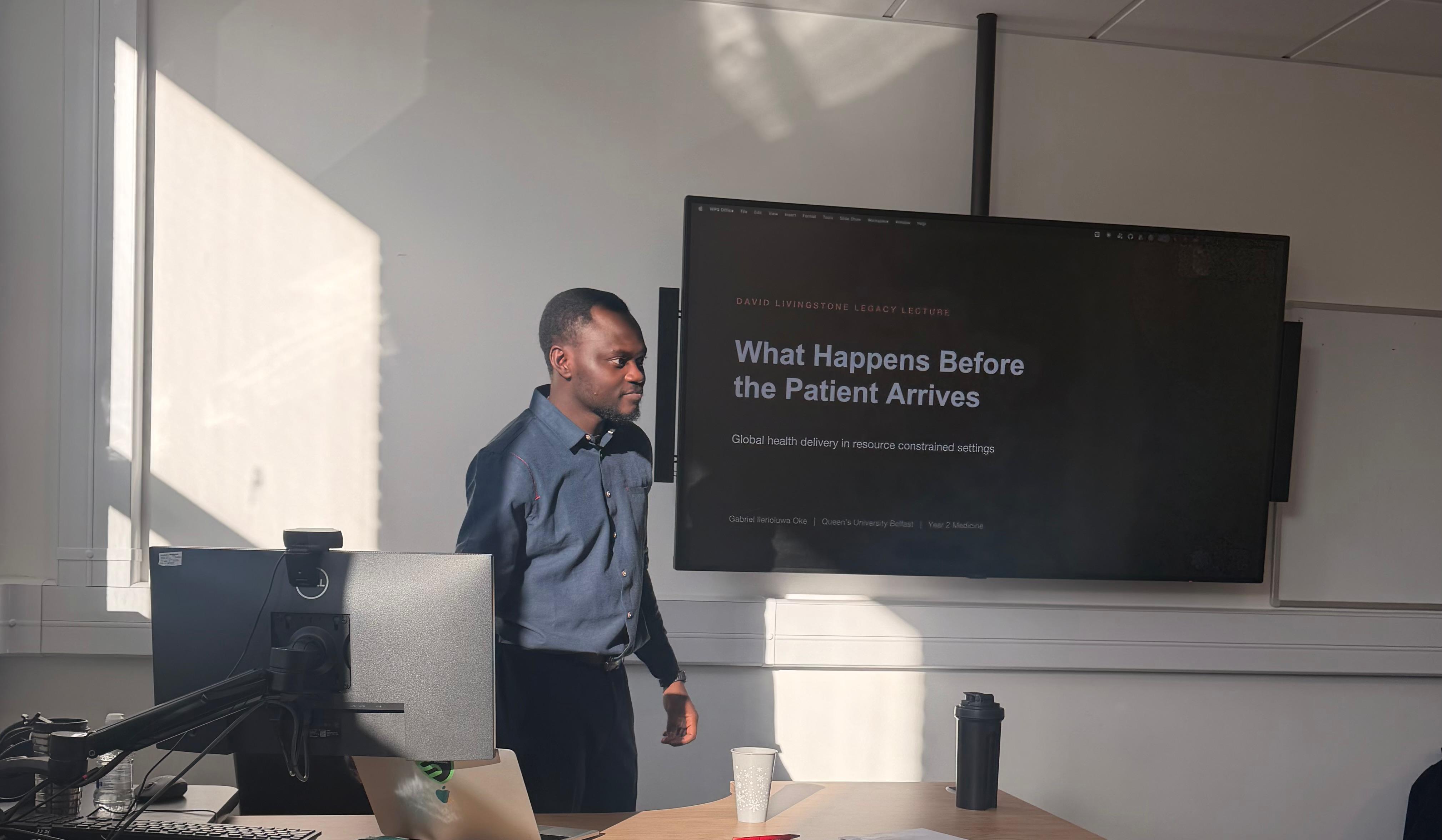
Standing where the market stood
Precious: You were invited back to Belfast after giving this lecture in 2024. What was different this time?
Gabriel: Zanzibar. I visited Stone Town in 2023 on an ethnography study trip, and this year I brought what I saw there into the lecture. I walked to the site of the former slave market in Stone Town. Christ Church Cathedral now stands on that ground, and the exhibition beside it explains that the Universities' Mission came to East Africa in direct response to Livingstone's appeal in Cambridge in 1857. The market closed in June 1873, one month after he died.
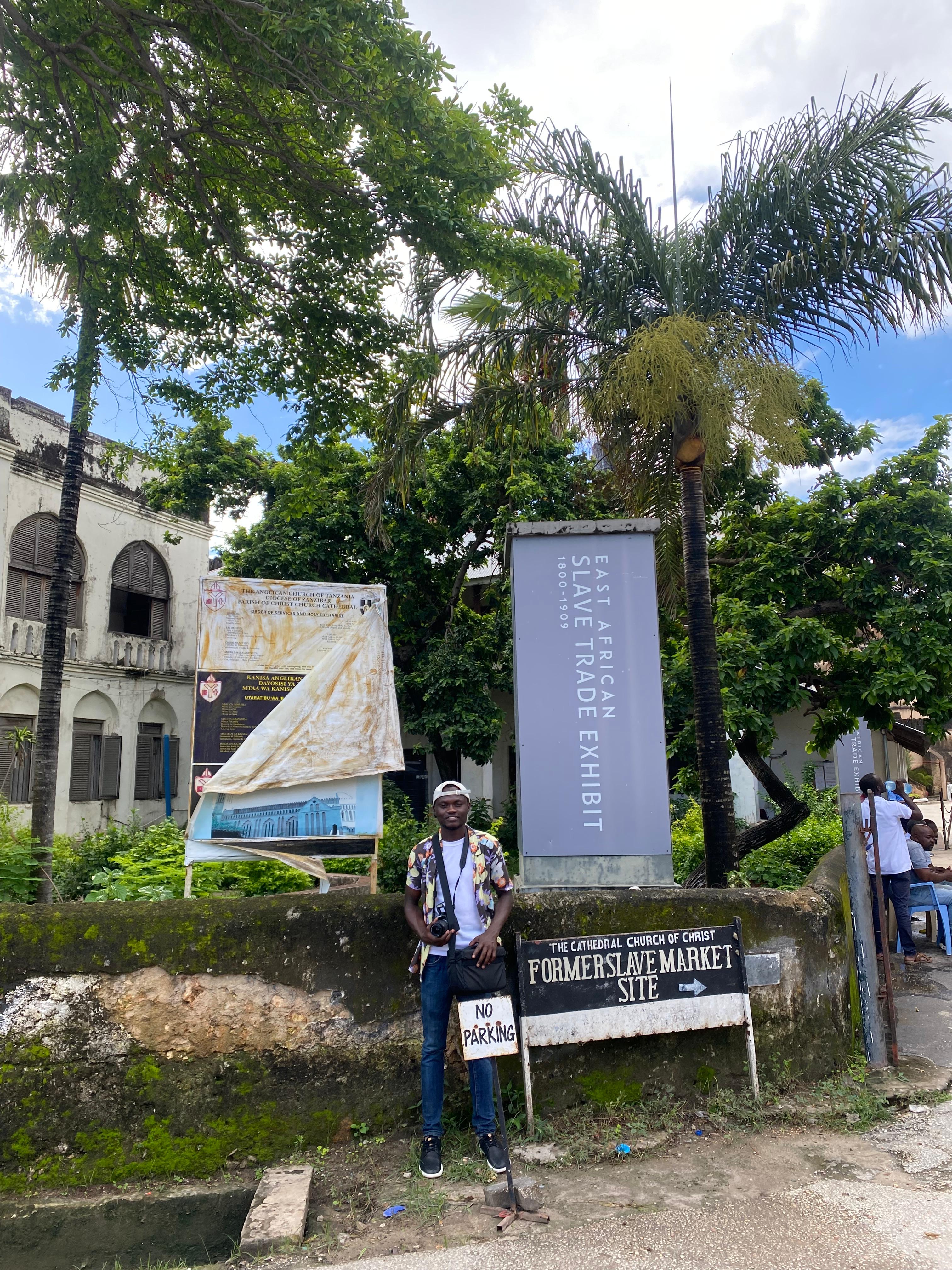 Picture showing Gabriel, At the former slave market site in Stone Town, Zanzibar, 2023.
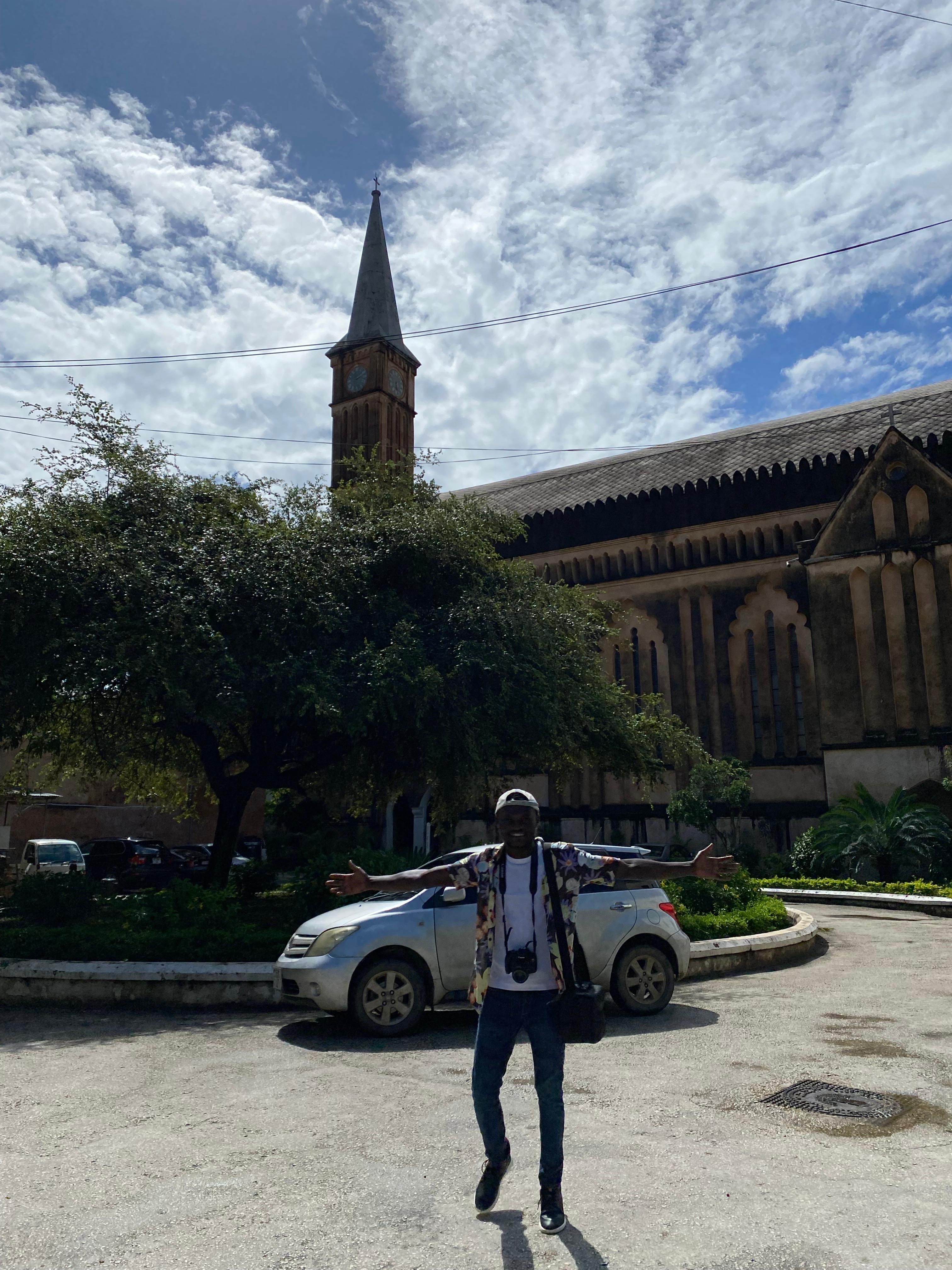 Christ Church Cathedral, built on the ground where the market stood.
Precious: Was there one thing that stayed with you?
Gabriel: A small wooden crucifix inside the cathedral. Its plaque says it was made from the tree at Chitambo's village, Ilala, in what is now Zambia, under which Livingstone died and his heart was buried. It was presented to the Diocese of Zanzibar in 1901. The panels name Livingstone clearly. What I went looking for, and found much harder to see, were the people who made his story possible.
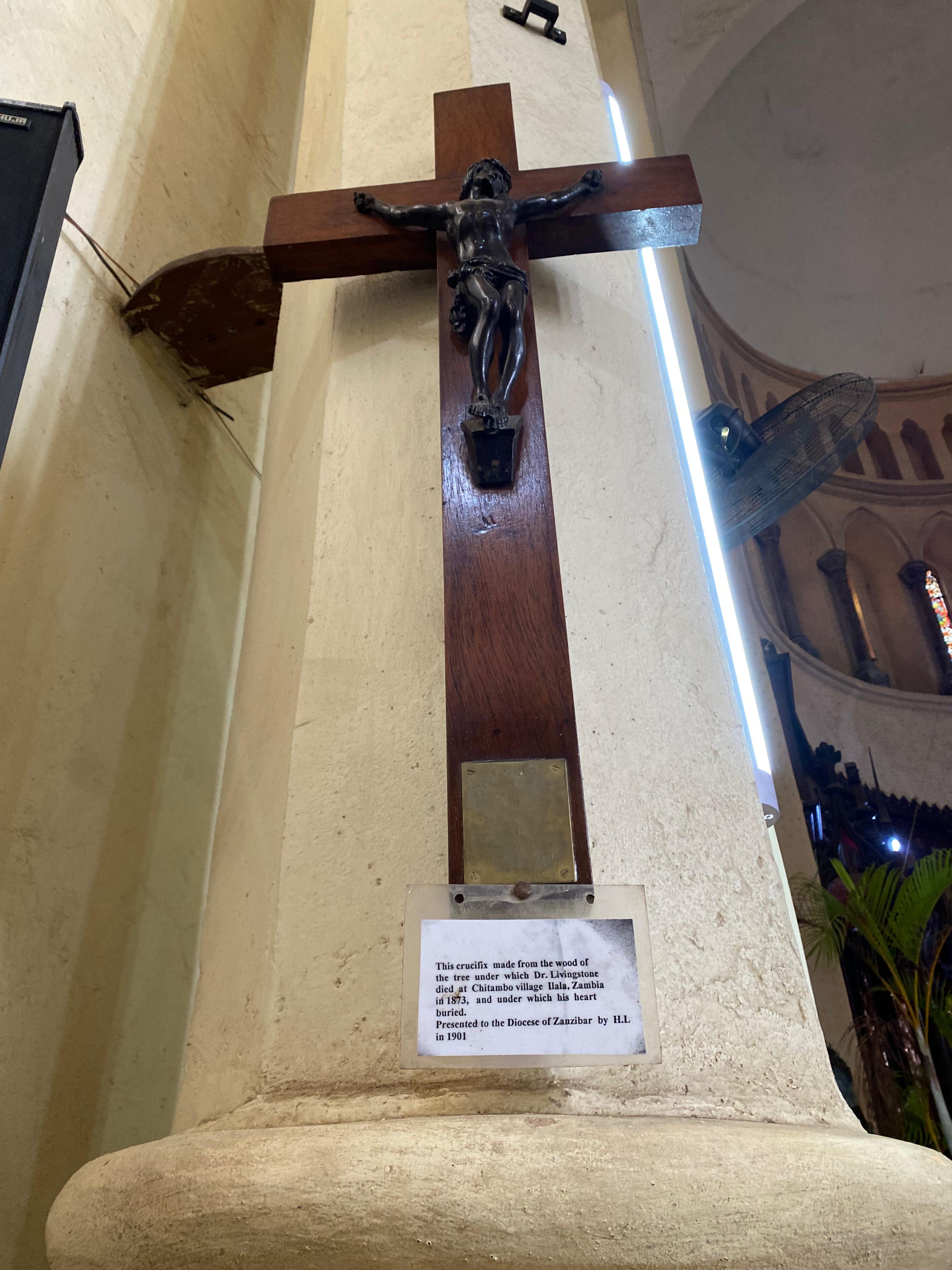 The crucifix in Christ Church Cathedral, made from the tree under which Livingstone's heart was buried.
The men who carried him home
Precious: Who were those people?
Gabriel: Livingstone died on 1 May 1873. His companions carried his body and his papers about 1,000 miles to Bagamoyo, on the coast opposite Zanzibar, arriving in February 1874 after roughly nine months on the road. Most accounts name two of them, James Chuma and Abdullah Susi. A third, Jacob Wainwright, kept a diary of the journey and was the only African among the eight pallbearers at Westminster Abbey.
Precious: So their names were lost?
Gabriel: That is the surprising part. They were not lost. The Royal Geographical Society struck sixty silver medals for the bearers, and a medal roll with their names was drawn up at the British Consulate in Zanzibar. The names were written down. History simply stopped telling them. Sixty names written down; two remembered. That became the spine of this year's lecture. Three habits and five questions
Precious: Why centre a lecture for medical students on a Victorian missionary at all?
Gabriel: Not because he was a hero. He was brave and often humane, and his fame also helped open the door to empire. He is in the lecture because of three habits every clinician needs: he went and looked, he wrote it down, and he named what he saw as wrong.
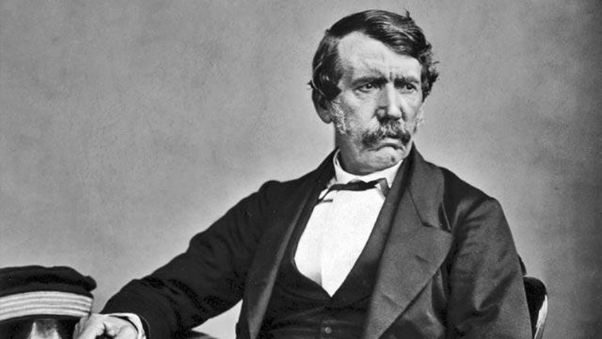 David Livingstone, 1813 to 1873.
Precious: And the five questions?
Gabriel: They are what I ask of any health system. Can they get there? Is anyone there? Is anything there? Can they afford it? Does anything happen next? We tested them on a simple case. A patient needs review in three days, the clinic is 40 km away, and the journey costs the household two days of income. Forty kilometres is Belfast to Craigavon, half an hour on the train. Take away the train and the plan changes. When that patient does not return, the notes say "non compliant". The frame says the plan was wrong.
Rwanda: What answering all five looks like
Precious: You compared Livingstone's era with Partners In Health in Rwanda. Why that comparison?
Gabriel: Because it sits at the other end of the story. PIH arrived in 2005, after the genocide had devastated the health system, and worked through the government with its Rwandan sister organisation, Inshuti Mu Buzima. Butaro Hospital opened in 2011 in Burera District, which had no hospital before. Care runs through public hospitals, paid community health workers and accompagnateurs walk with patients, and Rwandans run the system.
Precious: Did it work?
Gabriel: The national insurance scheme, Mutuelle de Santé, covers more than 85% of people, and in the decade to 2013 HIV related deaths fell by 78% and deaths of children under five by 65%. I did my master's at the University of Global Health Equity at Butaro, so I speak about it from experience. Paul Farmer called it accompaniment: staying with people through their care, rather than rescuing and leaving.
Nigeria: the people who make the work possible
Precious: Where does the Jennifer Etuh Foundation come in?
Gabriel: JEF is one of the most impressive partners I have worked with. It runs six hospitals across Nigeria's six geopolitical zones and has delivered more than twenty free medical outreaches, reaching over 100,000 people. At Kagoro in Kaduna State this August, the team saw 4,105 people in five days across general consultation, eye care and dental clinics, and carried out eye surgeries, dental care and general surgery for people who might otherwise never have been seen. Through OLGNova, We have been JEF's health data partner since 2025, and what stands out is a leadership that wants to know exactly where its care reaches, and how it can reach further.
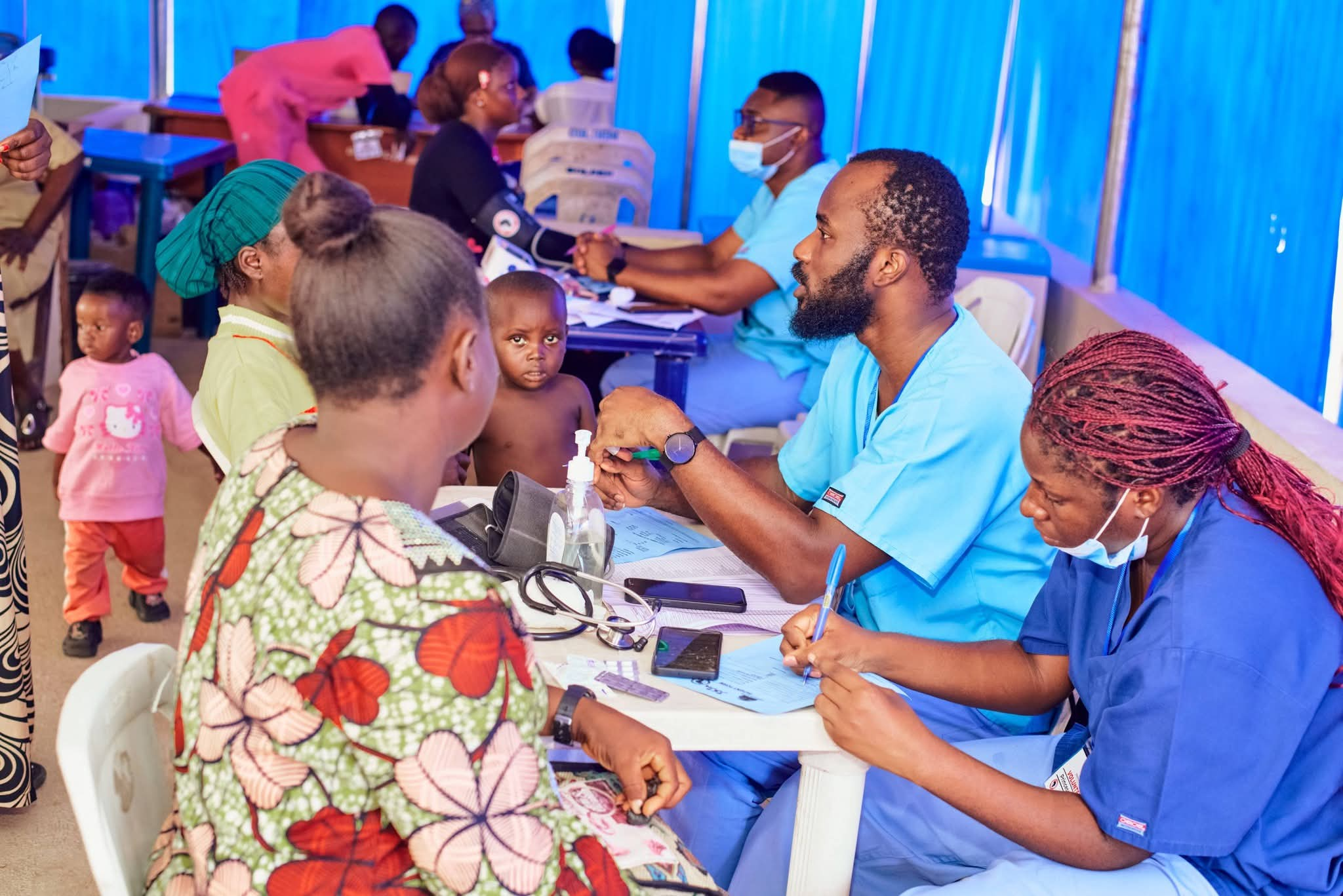 A Jennifer Etuh Foundation outreach in Nigeria.
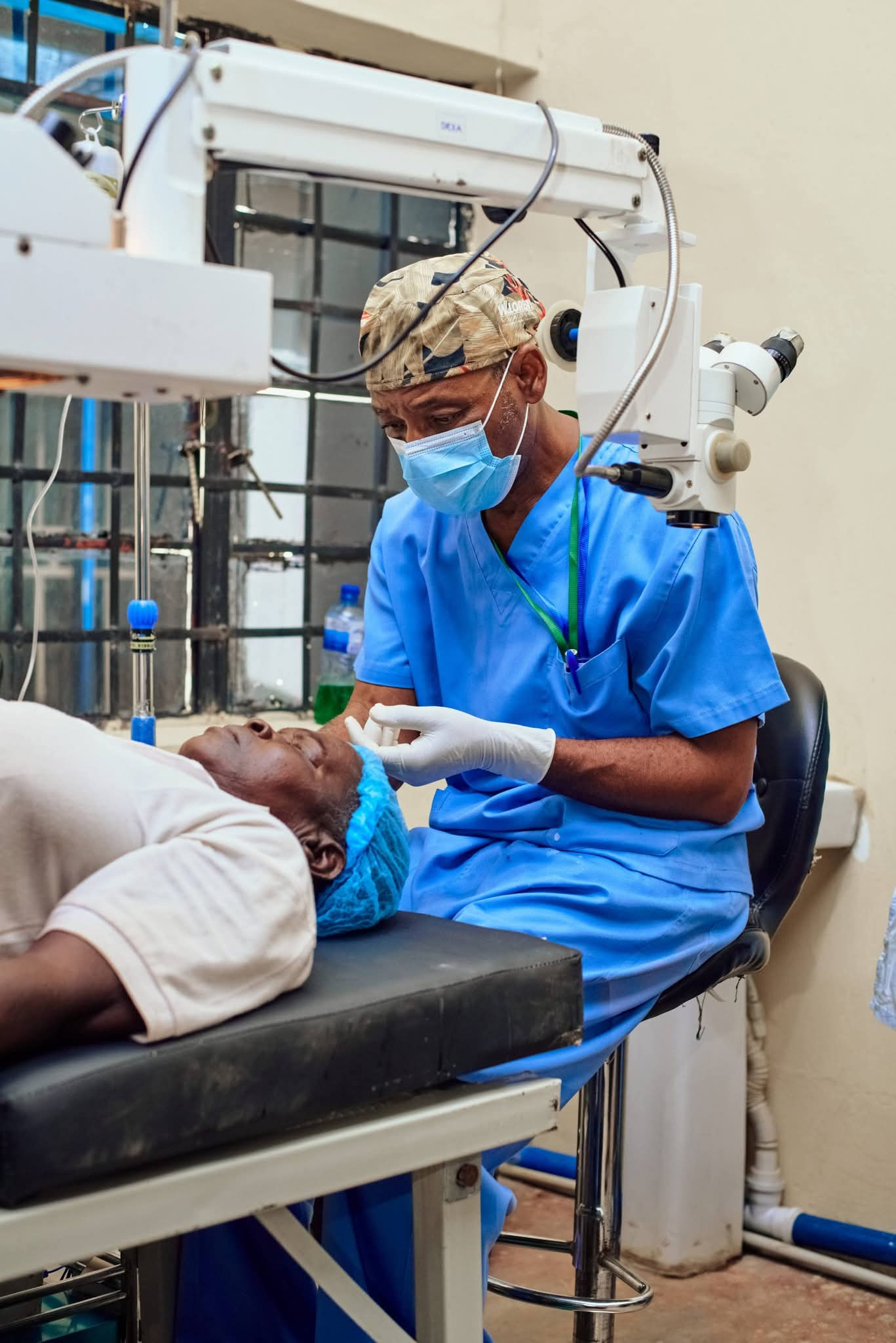
Precious: What does that data partnership look like in practice?
Gabriel: JEF has digitised five years of its records and invested in the JEF HealthTracker, an app developed specifically for its medical outreaches. It works offline and helps track each patient’s journey, from triage to the doctor, laboratory, pharmacy, eye and dental units, and surgery. This means that when patients return, their previous records are available to support their care. It brings us back to the fifth question from the lecture: does anything happen next? The app has been designed around the nurses, record clerks and volunteers who collect and use the data every day. They are the Chuma and Susi of the health data system, and JEF has made a conscious effort to put them at the centre of it.
Asking the next generation first
Precious: You also mentioned AI in Action. How does that fit into this work?
Gabriel: One thing I have noticed in my work is that digital health tools do not always fail because people are unwilling to use them. Sometimes, the problem is that the people who designed them do not fully understand the realities of the settings in which they are expected to work. That is one of the reasons why, with the AI in Action Foundation, OLGNova and MedLabConvo, we are conducting a survey to understand health workers’ perspectives on the use of artificial intelligence in healthcare.
Precious: What are you hoping to learn from the survey?
Gabriel: We want to understand how emerging health professionals can help shape the tools they will eventually use in practice. Rather than developing a system first and then expecting people to adapt to it, we should involve them early and listen to their experiences. The students in that Belfast lecture theatre are part of this next generation. In the years ahead, they will be working with these technologies and influencing how they are used in healthcare. Listening to their views now is another way of putting the principle of going and looking into practice.
What I hope they take away
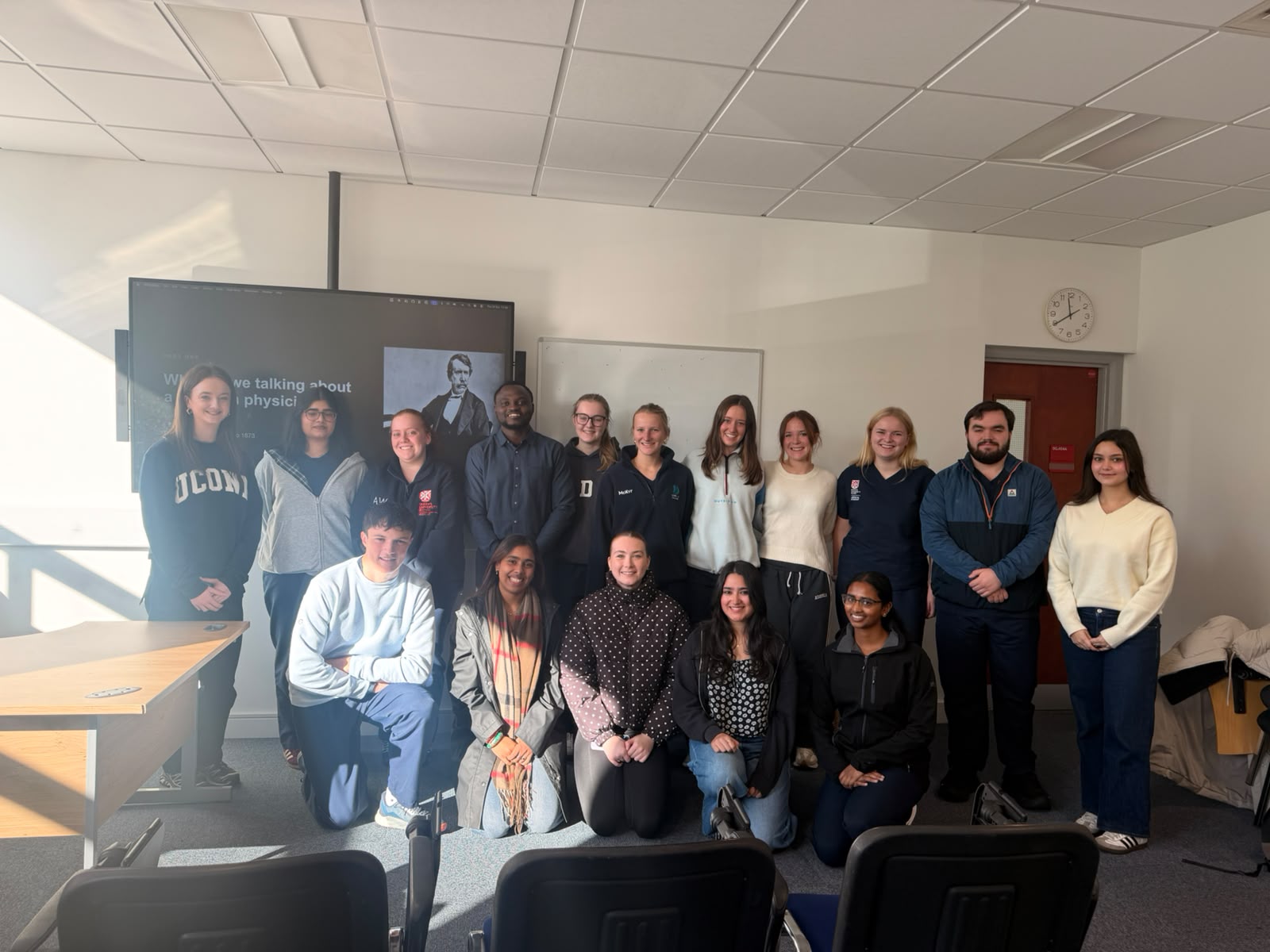 Precious: If the students remember one thing from your lecture, what would you want it to be?
Gabriel: I would hope they remember three things. First, ask the five questions. Second, when someone is described as non-compliant, take a moment to consider whether the system itself might be part of the problem. And third, pay attention to who is missing from the conversation. People who are left out do not always have the opportunity to explain what their absence means, so we have to make a deliberate effort to hear from them.
Precious: And what did the experience mean to you personally?
Gabriel: Standing in Stone Town, I found myself thinking about how much of Livingstone’s legacy was carried by people whose names were recorded in history, only for those names to gradually disappear from the stories we tell. In global health, we can sometimes do something similar. Community health workers, settlement officers and data clerks make important contributions, yet their work and experiences do not always receive the attention they deserve. I think we have a responsibility to recognise them, acknowledge their contributions and remember the people behind the work.
I am grateful to the Centre for Medical Education at Queen’s University Belfast for inviting me back, and to the students for their thoughtful questions and engagement. I hope to return.
Was this useful?
Join the discussion ↓
Discussion
Loading discussion…